1. What is a GPS Asset & Logistics Tracker?
A GPS tracker for asset tracking and logistics is a compact, satellite-powered telematics device designed to monitor the real-time location, movement status, and operational conditions of valuable assets, cargo, containers, fleet vehicles, and movable equipment across the entire supply chain. As a professional solution provider, SOIN Tech specializes in developing industrial-grade GPS tracking hardware and supporting cloud platforms, with its trackers built to withstand harsh outdoor, transit, and warehouse environments, delivering stable, long-distance positioning and data transmission to support end-to-end supply chain visibility, risk control, and operational optimization.
This solution integrates GPS satellite positioning, cellular/IoT wireless communication, motion sensing, and cloud-based management platforms, breaking the information barrier between offline assets and logistics managers. It turns passive cargo and equipment into trackable, manageable assets, solving core pain points such as cargo loss, asset misplacement, delayed transit, unauthorized movement, and low asset utilization.
2. Core Working Principle
The system operates via a three-tier closed-loop architecture, ensuring seamless data interaction and real-time monitoring:
Terminal Layer (GPS Tracker Device): The hardware receives positioning signals from global GPS/Beidou/Galileo satellites, calculates precise longitude, latitude, and speed data, and transmits the information to a cloud server via 4G/5G, NB-IoT, LoRaWAN, or other dedicated IoT networks. Advanced models also collect auxiliary data such as battery level, motion status, temperature, humidity, and impact alerts.
Cloud Platform Layer: The server stores, processes, and analyzes positioning and status data, visualizes asset trajectories on electronic maps, and triggers intelligent alerts based on preset rules. It supports data storage, historical trajectory playback, and report generation for long-term asset management.
Application Layer: Managers access real-time asset information via a web-based dashboard, mobile app, or integrated logistics management system, enabling remote monitoring, alert handling, route analysis, and asset scheduling from anywhere with internet access.
3. Classifications of Industrial GPS Trackers
3.1 Powered Trackers (Wired Type)
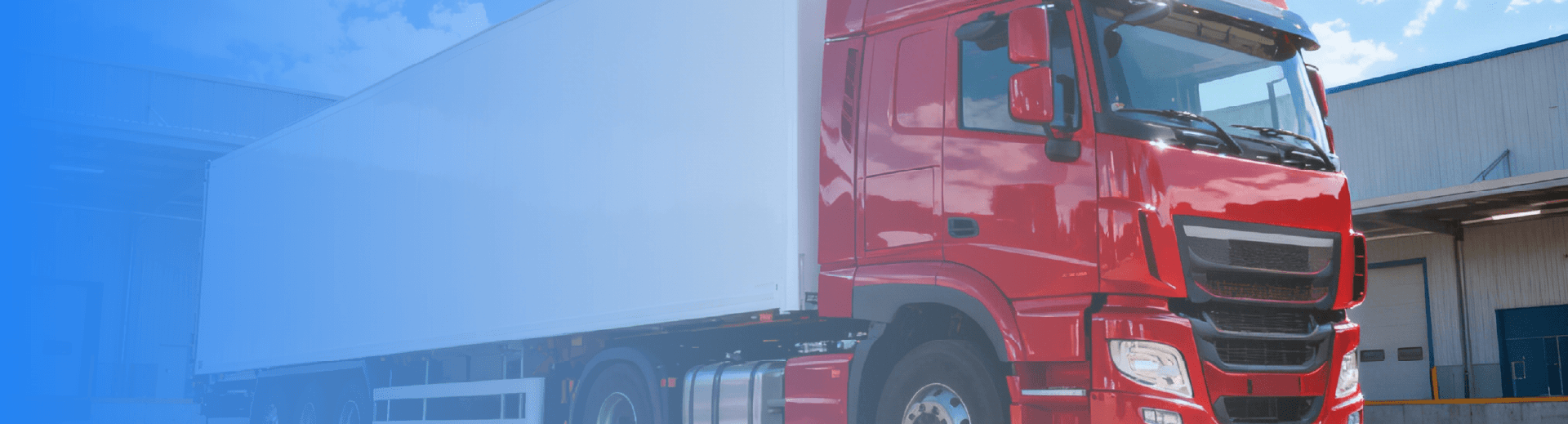
Directly connected to the built-in power supply of assets such as trucks, vans, refrigerated trucks, and powered machinery, drawing continuous power to support uninterrupted high-frequency positioning. SOIN Tech wired GPS trackers are ideal for fleet logistics and long-haul transportation, with no battery life limitations and stable real-time data transmission. It can also synchronize vehicle operating data such as ignition status and engine hours for comprehensive fleet management, matching the high-standard monitoring needs of commercial logistics scenarios.
3.2 Non-Powered Trackers (Battery-Powered Type)
Built with high-capacity rechargeable or replaceable batteries, designed for unpowered assets including shipping containers, pallets, construction equipment, rental tools, storage crates, and high-value cargo. SOIN Tech battery-powered trackers (like HB-02 portable tracking device) feature ultra-low-power consumption and motion-activated positioning modes, extending battery life from several months to multiple years, eliminating the need for external power access during transit and storage, and perfectly adapting to unattended asset monitoring.
3.3 Hybrid & Solar-Powered Trackers
Combines battery power with solar charging panels, suitable for outdoor static assets or long-distance transit assets in remote areas with no power supply. It maintains continuous positioning without frequent battery replacement, adapting to extreme environments such as construction sites, mining areas, and cross-border maritime logistics.
4. Core Functional Features for Asset & Logistics Scenarios
4.1 Real-Time Precise Positioning
Supports multi-satellite joint positioning, achieving meter-level location accuracy even in complex environments such as suburban roads, port terminals, and warehouse yards. It provides uninterrupted location updates, allowing managers to grasp the real-time whereabouts of assets and cargo at any time.
4.2 Geofence Alert
Set virtual safe zones on the electronic map for assets and cargo. The system immediately sends push, SMS, or email alerts when the tracker moves outside the preset boundary, enabling timely response to unauthorized movement, cargo theft, and route deviation.
4.3 Historical Trajectory Playback
Stores long-term positioning and movement data, supporting full playback of historical transit routes, stop times, and operating paths. This feature facilitates logistics route optimization, asset usage analysis, responsibility tracing for abnormal events, and compliance record filing.
4.4 Motion & Vibration Detection
Built-in high-sensitivity sensors detect asset movement, vibration, and collision. It triggers instant alerts for abnormal shaking during transit (preventing cargo damage) and unauthorized startup of idle equipment, enhancing asset security during storage and transit.
4.5 Environment Monitoring (Optional)
Advanced models integrate temperature, humidity, and light sensors, specially designed for cold-chain logistics, pharmaceutical transportation, and fresh produce transit. It monitors environmental parameters in real time and alerts managers to abnormalities, ensuring cargo quality and compliance with transportation standards.
4.6 Low Power & Tamper Alarm
Battery-powered models send low-battery alerts in advance for timely charging or replacement; tamper-proof design triggers alarms when the device is illegally dismantled, preventing thieves from disabling the tracker and improving stolen asset recovery rates.
4.7 Multi-Device Unified Management
The cloud platform supports centralized management of hundreds or thousands of trackers, enabling classified management of different assets (fleet, containers, equipment, cargo). It generates visual reports on asset utilization, transit efficiency, and abnormal events, simplifying large-scale asset and logistics management.
5. Widely Applicable Scenarios
Road Freight & Fleet Logistics: Track delivery trucks, vans, and trailers, optimize transportation routes, monitor on-time delivery rates, and prevent private use of fleet vehicles.
Container & Cargo Transit: Monitor cross-border, railway, and highway container transportation, reduce cargo theft and loss, and realize full-chain traceability of bulk cargo.
Construction & Industrial Equipment: Manage mobile equipment such as generators, excavators, and toolboxes, prevent equipment loss on job sites, and improve asset scheduling efficiency.
Rental Asset Management: Track rental machinery, containers, and tools, monitor usage duration and location, and avoid asset loss and unauthorized transfer.
Cold-Chain & High-Value Cargo: Monitor temperature-sensitive goods such as food, medicine, and electronic products, ensuring cargo safety and quality throughout transit.
Warehouse & Yard Asset Management: Locate static assets quickly, reduce time spent searching for equipment, and optimize warehouse inventory and asset layout.
6. Key Selection Criteria for Industrial-Grade Trackers
Environmental Durability: Prioritize devices with high IP waterproof, dustproof, and shockproof ratings, suitable for outdoor, transit, and harsh industrial environments.
Battery Life Performance: For unpowered assets, choose ultra-low-power models with long battery life to avoid frequent maintenance and reduce operational costs.
Signal Stability: Ensure stable positioning and data transmission in weak-signal areas such as remote suburbs, ports, and enclosed containers.
Installation Flexibility: Support magnetic, adhesive, strap-on, or built-in installation methods, adapting to different asset shapes and installation needs.
Platform Compatibility: Compatible with mainstream logistics management systems, supporting API docking for seamless integration with existing enterprise management processes.
Cost-Effectiveness: Balance hardware cost, data plan fees, and maintenance costs, choosing scalable solutions suitable for both small teams and large enterprises.
7. Core Value for Asset & Logistics Operations
Deploying a dedicated GPS asset and logistics tracking system represented by SOIN Tech brings tangible operational and economic benefits to enterprises: it drastically reduces asset theft and cargo loss rates, speeds up stolen asset recovery; improves asset utilization rate, reduces idle waste and repeated procurement costs; optimizes logistics routes and scheduling, cuts fuel and labor costs; enhances supply chain transparency, improves delivery efficiency and customer satisfaction; simplifies asset inventory and management, lowers manual labor intensity; and helps enterprises meet industry regulatory and transportation compliance requirements, ultimately boosting overall operational efficiency and core competitiveness.